

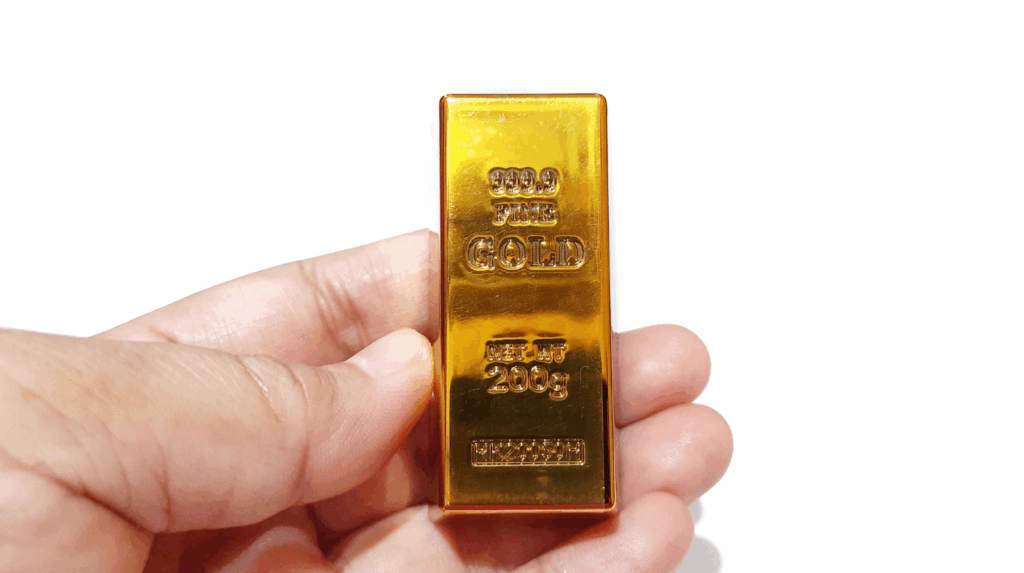

You’ve made the smart decision to protect your savings with physical precious metals. But before you purchase your first ounce, you must understand a critical rule: The IRS is very particular about what gold and silver you can hold in your IRA.
You cannot buy just any coin. If you buy the wrong metal—one that doesn’t meet specific purity standards—the IRS considers it a taxable distribution, triggering an immediate tax bill and potential penalties.
We are here to simplify these rules. This guide provides a clear, simple checklist of the exact purity standards and the most common coins that are safe for your retirement account.
Key Takeaways
- Purity is Non-Negotiable: Gold must be 99.5% pure (0.995 fineness), and silver must be 99.9% pure (0.999 fineness).
- The Danger: Buying an unapproved coin (like a collectible or jewelry) voids the tax-advantaged status of your IRA.
- The Simple Rule: Approved metals are almost always bullion (bars) or specific, modern-minted coins.
- Trusted Dealers are Key: A reputable Gold IRA company (like Augusta Precious Metals or Goldco) only sells IRS-approved metals, eliminating the risk for you.
The IRS Purity Mandate (The Gold Standard)
The IRS requires that all precious metals held in an IRA be “investment-grade.” This means they must meet strict purity minimums to ensure they are assets, not collectibles.
|
Metal Type
|
Minimum Purity Required
|
Why This Matters
|
|---|---|---|
|
Gold
|
0.995 fineness (99.5% pure)
|
Ensures the metal is pure bullion, not an antique or collectible.
|
|
Silver
|
||
|
Platinum/Palladium
|
0.9995 fineness (99.95% pure)
|
The highest purity requirement for these white metals.
|
The Critical Warning: The Home Storage Tax Trap
You will occasionally see companies advertising “Home Storage IRAs” or encouraging you to store the metal in your personal safe at home. This is not permitted by the IRS, and it is the fastest way to lose your retirement savings to taxes and penalties.
- The IRS Rule is Absolute: The law requires your physical gold, silver, platinum, or palladium to be stored in an IRS-approved, third-party depository (a vault). You cannot take possession of the metal yourself for storage. This is a non-negotiable rule.
- The Catastrophic Risk: If you take physical possession of your IRA assets and store them at home, the IRS considers this a taxable distribution. This triggers two immediate and devastating financial consequences:
- Immediate Income Tax: You will owe ordinary income tax on the entire fair market value of the gold.
- Early Withdrawal Penalty: If you are under the age of $59\frac{1}{2}$, you will also face a 10% early withdrawal penalty on top of the income tax.
- The Best Strategy: Do not risk your retirement savings on this dangerous loophole. Always confirm your chosen dealer is using a top-tier, insured depository like the Delaware Depository or Brinks. If a company suggests storing the metal at home, walk away immediately.
IRS-Approved Metals Checklist
Use this simple checklist when talking to your dealer to ensure your purchase is compliant and safe for storage.
|
Approved Gold Assets (Checklist)
|
Approved Silver Assets (Checklist)
|
UNAPPROVED (Avoid)
|
|---|---|---|
|
[ ] American Gold Eagle (The only exception to 99.5% rule)
|
[ ] American Silver Eagle
|
[X] Krugerrand (Low purity)
|
|
[ ] Canadian Gold Maple Leafs
|
[X] Foreign Currency (Older or collectible coins)
|
|
|
[ ] Silver Rounds/Rounds (99.9% pure)
|
Your Gold Income Strategy: How to Convert Metal to Cash Flow
Gold does not pay dividends or interest. When you need retirement income from your Gold IRA, you must strategically sell the metal. This requires a different mindset than selling a stock.
|
Income Scenario
|
Action Required
|
Key Concern
|
|---|---|---|
|
I Need My RMD (Required Minimum Distribution)
|
Sell the Minimum. You must sell only the number of ounces required to convert to cash for your RMD amount.
|
Timing. The sale must be completed and the cash withdrawn before the IRS deadline (end of the year).
|
|
Market Price. Your monthly income will fluctuate based on the market price of gold on the day you sell.
|
Wise Tip: The Final Price Negotiation
💡 Wise Tip from Sagewise: The largest cost in a Gold IRA is the dealer markup (the price spread). To save money, commit to buying the highest purity available (bullion bars). Since dealers have lower costs and less risk with bars than with coins, they are often willing to offer a smaller spread, maximizing the amount of metal you get for your dollar.
Frequently Asked Questions (FAQ)
Yes. Your RMD is calculated based on the fair market value of all assets in your retirement account, including the precious metals held in your Gold IRA. You must sell enough metal each year to cover your Required Minimum Distributions (RMDs).
A Gold IRA is best viewed as a defensive asset—it is insurance against volatility and inflation. It is not designed for rapid growth like a tech stock. Its primary job is to hold value when other assets lose it.
- The metal must meet strict IRS standards for purity (e.g., 99.5% for gold and 99.9% for silver). Approved metals are typically coins like the American Gold Eagle (the one exception) and Canadian Gold Maple Leafs, or bullion bars manufactured by an approved refiner.
The process typically takes 2 to 6 weeks. The longest part is often the transfer of funds from your existing custodian to the new SDIRA custodian.
Highly safe. The metal is held in top-tier, insured facilities (depositories) like the Delaware Depository. These vaults are regulated, and the metal is insured against theft, damage, and loss.