

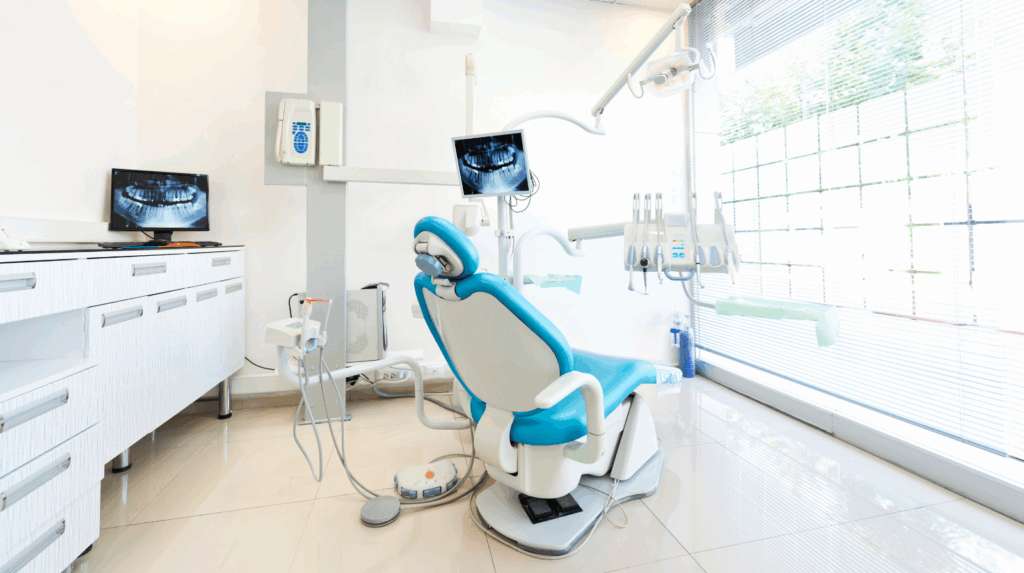

You worked hard for your Medicare benefits. You assume they will take care of your health from head to toe.
But when you sit in the dentist’s chair and hand them your red, white, and blue card, you might be in for a rude awakening.
Original Medicare does NOT cover routine dental care.
No cleanings. No fillings. No dentures.
For millions of seniors, this “coverage gap” leads to unexpected bills totaling thousands of dollars. As your trusted advocate, we are here to explain why this gap exists, what the few exceptions are, and how you can get affordable protection without breaking your fixed budget.
Key Takeaways
- The Rule: Original Medicare (Part A & B) pays $0 for cleanings, fillings, extractions, or dentures.
- The Exception: Medicare may pay if the dental work is required for a covered medical procedure (like jaw surgery or heart valve prep).
- The “Advantage” Option: Medicare Advantage (Part C) plans often include dental, but the annual limits are low (usually $1,000).
- The Solution: Most seniors need a separate Private Dental Policy to protect against high costs.
The Hard Truth: What Medicare Excludes
It is important to be crystal clear about what you will have to pay for out-of-pocket if you rely solely on Original Medicare (Part A & Part B). The Social Security Act specifically excludes coverage for most dental services, meaning Medicare pays zero percent of these costs.
- Routine Care: This includes your bi-annual exams, routine x-rays, cleanings, and fluoride treatments. While these are relatively low-cost, skipping them often leads to expensive problems down the road.
- Minor Restorative: Procedures like cavity fillings, simple tooth extractions, and basic root canals are not covered. A simple toothache can turn into a $300 bill instantly.
- Major Restorative: This is where the costs skyrocket. Crowns, bridges, and complex root canals are completely excluded. If a tooth cracks, Medicare will not pay to fix it.
- Prosthetics & Implants: Full or partial dentures, plate adjustments, and dental implants are 100% your responsibility. Implants are considered “cosmetic” or elective by Medicare, even if they are necessary for you to eat properly.
The Cost of Assuming You’re Covered: The financial impact of this exclusion is severe. Without private insurance, you are paying the full “retail” price for every procedure.
|
Procedure
|
Average Retail Cost (You Pay)
|
What Medicare Pays
|
|---|---|---|
|
Routine Cleaning
|
$100 - $150
|
$0
|
|
Filling (Composite)
|
$150 - $300
|
$0
|
|
Crown (Porcelain)
|
$1,200 - $1,500
|
$0
|
|
Root Canal (Molar)
|
$1,000 - $1,400
|
$0
|
Note: Costs vary by location, but the Medicare contribution remains zero.
The "Medical Necessity" Loophole
There is a tiny sliver of coverage under Medicare Part A (Hospital Insurance), but it is very specific. Medicare will pay for dental services only if they are an integral part of a covered medical procedure or hospitalization.
Examples of Potential Coverage:
- Jaw Reconstruction: If you are in a car accident and break your jaw, Medicare covers the surgery (but not the teeth replacement or subsequent dental work).
- Pre-Surgery Clearance: If you need a heart valve replacement or organ transplant, Medicare may cover the dental exam to ensure you don’t have oral infections that could complicate the surgery (but they won’t pay to fix the cavities they find).
- Radiation Treatment: If you have oral cancer, Medicare covers the hospitalization required for complex dental extractions done in preparation for radiation treatment.
Bottom Line: Unless you are in a hospital bed for a non-dental reason, Medicare won’t pay. Routine care is never covered.
Medicare Advantage (Part C): A Partial Solution
Many seniors switch to Medicare Advantage plans because they advertise “Dental Included!”
While this is true, you must read the fine print. These are private plans that replace Original Medicare, and their dental benefits are often limited.
- The Limit: Most Advantage plans have an annual maximum benefit of $1,000 to $1,500. Once you hit that cap, you pay 100% of the costs for the rest of the year.
- The Reality: One root canal and a crown can cost $2,500. Your plan pays the first $1,000, and you are stuck with the remaining $1,500 bill.
- The Verdict: Advantage plans are great for cleanings and basic maintenance, but they are often insufficient for the major work seniors actually face. Always check the Evidence of Coverage document for specific limits.
The "100-80-50" Structure: How Private Insurance Works
To truly protect your savings, you likely need a standalone Private Dental Insurance policy. Most of them follow this simple coverage structure:
|
Category
|
Procedure
|
What Insurance Pays
|
What YOU Pay
|
|---|---|---|---|
|
Preventive
|
Cleanings, Exams, X-Rays
|
100%
|
0%
|
|
Basic
|
Fillings, Simple Extractions
|
80%
|
20%
|
|
Major
|
Crowns, Bridges, Root Canals
|
50%
|
50%
|
Why this wins: If you have a $2,000 crown procedure:
- With No Insurance: You pay $2,000.
- With Private Insurance: You pay $1,000 (50%). You saved $1,000 instantly.
Action Plan: How to Get Covered
Don’t wait until your tooth hurts. Dental insurance often has Waiting Periods (6-12 months) for major work to prevent people from buying insurance only when they need expensive procedures.
- Assess Your Needs: Do you just need cleanings (Advantage plan might be enough), or do you have old fillings that might crack (need Private Insurance)?
- Check the “Annual Maximum”: Look for a plan that covers at least $1,500 to $2,000 per year. Some premium plans offer up to $5,000.
- Check the Network: Ask your current dentist which insurance plans they accept. Staying “in-network” saves you an extra 20-30% off the top because network dentists agree to lower contracted rates.
Frequently Asked Questions (FAQ)
No. Standard Medigap plans (like Plan G or N) only cover what Original Medicare covers. Since Medicare excludes dental, Medigap excludes it too. You need a separate dental policy.
Yes. Unlike Medicare, private dental insurance does not have an “Enrollment Period.” You can buy it today, and coverage for preventive care usually starts immediately (next month).
Usually, yes. Most private plans require you to hold the policy for 12 months before they will pay for major prosthetics like dentures or bridges. This is why buying early is critical.
This is an alternative to insurance. You pay a small yearly fee (e.g., $100) to get access to a network of dentists who offer discounted rates (e.g., 20-40% off). It has no waiting periods and no annual limits, making it a good choice for immediate, expensive work. Learn more about discount plans from the American Dental Association (ADA).
It is very limited. The VA generally only provides full dental care to veterans with a 100% service-connected disability, a specific service-related dental injury, or who were former POWs. Most veterans need private insurance. Check your eligibility at VA.gov.
Get Your Dental Insurance Quote (Find a plan that covers what Medicare won’t. Compare rates today.)