


One of the most common technical failures in 2026 occurs when a retiree purchases beautiful, historic gold coins only to find out they are “Non-Qualified” for a retirement account. In the eyes of the Internal Revenue Service, “gold is gold” only if it meets a very specific threshold of purity. If you accidentally add a coin to your Self-Directed Gold IRA that falls below this line, the IRS treats it as a “distribution” of the entire amount—meaning you could be hit with a massive 2026 tax bill and penalties.
As your SageWISE technical collaborator, I am performing a “Purity Audit” on your potential holdings. To pass the 2026 IRS test, gold bullion must have a minimum fineness of .995 (99.5% pure). This blog is your technical manual for identifying which coins are “Hedge-Ready” and which ones are “Tax-Traps.”
Understanding the .995 Standard
The IRS established the .995 purity rule under Internal Revenue Code Section 408(m). This was designed to ensure that IRAs hold “Investment Grade” bullion rather than “Collectibles” or “Numismatics.”
The .995 vs. .9999 Distinction
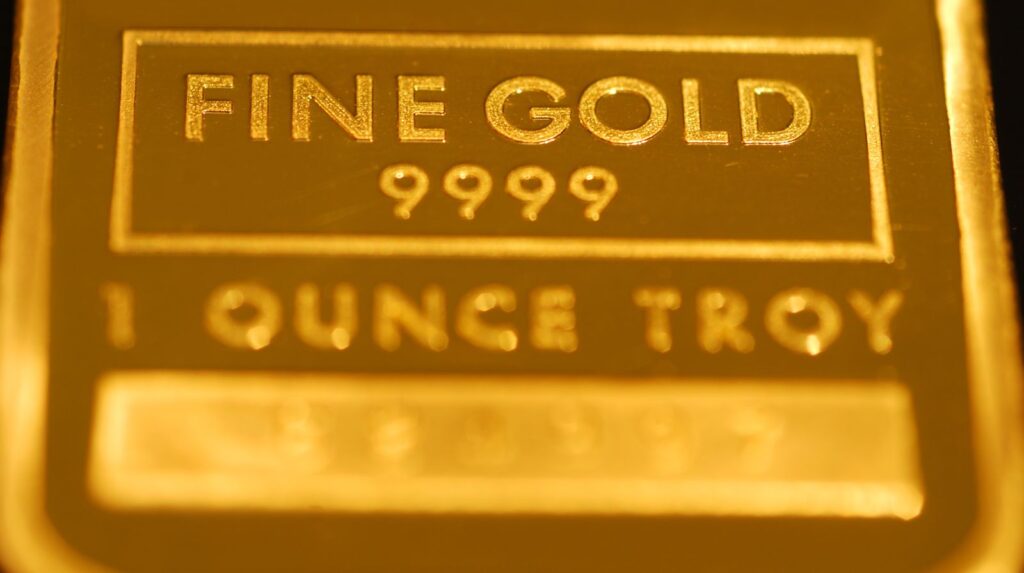
While the minimum requirement is .995, most modern 2026 bullion coins actually exceed this, coming in at .9999 (24-karat “Four Nines” fine).
- The PASS List: The Canadian Gold Maple Leaf, the Australian Gold Kangaroo, and the Austrian Gold Philharmonic are all .9999 pure. They pass the audit with room to spare.
- The “American Exception”: Interestingly, the American Gold Eagle is only 22-karat (.9167 pure). Under normal circumstances, this would fail the audit. However, the IRS made a specific legal exception for the Gold Eagle, allowing it in IRAs despite its lower purity, because it is the official bullion coin of the United States.
WISE Warning: Do not confuse the American Gold Eagle with the American Gold Buffalo. The Buffalo is .9999 pure and also IRA-eligible. If you are offered a “vintage” gold coin like a South African Krugerrand, it fails the purity audit because it is only .9167 fine and does not have a special IRS exception.
Audit the Hallmark: The "Certified Refiner" Rule
Purity isn’t just about the metal; it’s about the Refiner. Even if a gold bar is .9999 pure, it cannot enter your segregated storage vault unless it was produced by a refiner or national mint that is “Accredited” by one of the following:
- The LBMA (London Bullion Market Association): The global authority on “Good Delivery” bars.
- The COMEX (Commodity Exchange, Inc.): The primary U.S. exchange for metals.
- A National Mint: Such as the U.S. Mint or the Royal Canadian Mint.
The 2026 Hallmark Audit:
When you purchase a gold bar for your IRA, look for the Assay Card. This is the “Birth Certificate” of the metal. It must display the refiner’s logo, the exact weight, and the purity (.995+). If the bar is from a “Generic” or “No-Name” refiner, your Self-Directed Custodian will reject it at the vault door.
Strategic WISE Maneuver: Avoiding the "Premium Trap"
In 2026, many gold dealers will try to steer you toward “Proof” or “Certified” coins. These coins often have the correct purity, but they carry a massive “Markup” because they are sold as collectibles.
The Technical Audit:- Bullion Coins: Price is based on the Spot Price of Gold + a small dealer premium.
- Proof Coins: Price is based on “Rarity” or “Grading.”
WISE Maneuver: Use the Gold IRA “Inflation Shield” Calculator to audit the “Ounce-for-Ounce” value of your prospective purchase. If the dealer’s premium is more than 5-8% above the current spot price, you are likely overpaying for “purity” that shouldn’t cost that much.
The 2026 IRS Purity Audit Results
|
Coin/Bar Name
|
Technical Purity
|
IRS Eligibility Status
|
WISE Recommendation
|
|---|---|---|---|
|
Gold Buffalo (USA)
|
.9999
|
PASS
|
High (High Purity)
|
|
Gold Eagle (USA)
|
.9167
|
PASS (Exception)
|
High (Durability/Liquidity)
|
|
Gold Maple Leaf (CAN)
|
.9999
|
PASS
|
High (Global Standard)
|
Frequently Asked Questions (FAQ)
The IRS relies on the custodian’s audit. The custodian will only accept gold from a list of “Approved Mints” and will verify the hallmarks before deposit.
It is considered a “Prohibited Transaction.” The IRS will treat it as if you took a distribution of that asset, taxing you at your ordinary income rate plus a 10% penalty if you are under 59.5.
Usually no. Unless they are issued by a national mint and meet the .995 fineness rule, they fail the audit.
.9999 gold is softer than 22-karat gold. However, since your gold is held in segregated storage, it isn’t being handled daily, so durability is a secondary concern to purity.
Yes! Many seniors use home equity to purchase pure bullion as a “Currency Hedge.”
You can monitor the London Bullion Market Association (LBMA) for the global gold standard prices.
Financial Bodyguard Resources
- Gold IRA “Inflation Shield” Calculator : Calculate how much pure gold you can add to your portfolio based on your current retirement balance.
- Mortgage-Free Planner : Use your monthly savings to “Drip-Feed” pure bullion into your IRA.
- Home Equity “Cash Unlock” Calculator : Identify the liquidity needed to execute a major purity-based hedge.
Final WISE Audit
Start Your 2026 Gold IRA Audit Now