
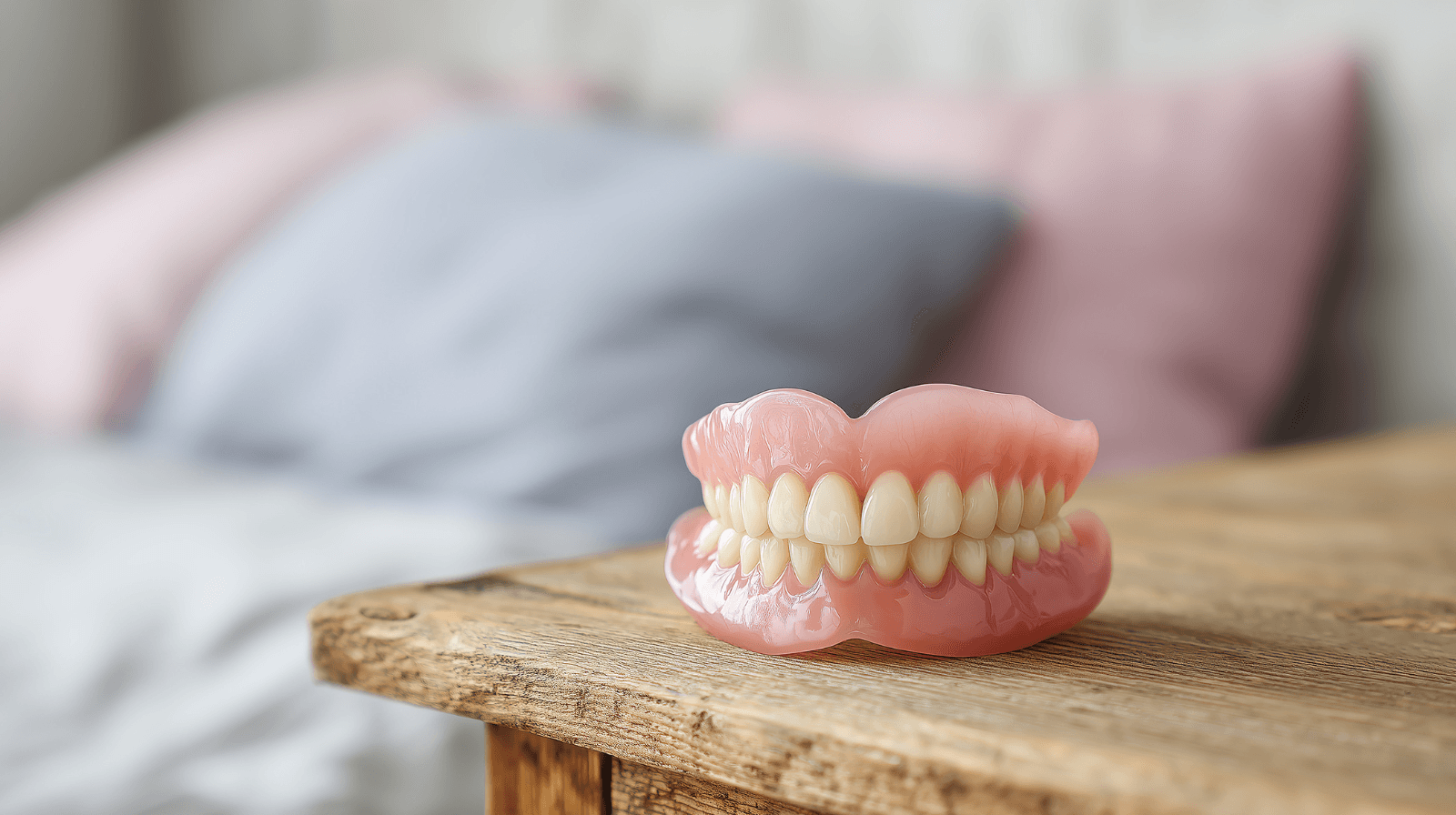
Losing a tooth is a traumatic event. It affects how you eat, how you speak, and how you smile. For many seniors, it can lead to a loss of confidence and difficulty enjoying favorite foods.
When it comes time to replace that tooth, your dentist will likely recommend a Dental Implant. It is the modern gold standard for tooth replacement because it looks, feels, and functions like a real tooth. But then they drop the price tag: $3,000 to $5,000 per tooth.
Your alternative is Dentures (or a partial bridge), which are significantly cheaper but can be uncomfortable, require adhesive, and may slip while eating or speaking.
The deciding factor is usually insurance. Does your plan cover the modern implant, or does it force you to settle for dentures?
As your trusted advocate, we are here to explain the confusing “Cosmetic vs. Essential” rules insurers use, the hidden “Annual Maximum” trap, and how to find a plan that actually helps pay for the smile you deserve.
Key Takeaways
- The Classification: Insurance considers Dentures “Major” (covered 50%). Many plans still label Implants “Cosmetic” (not covered), though this is changing with newer policies.
- The “Annual Cap” Problem: Even if covered, a $1,500 annual limit only pays for half of one implant. You are responsible for the rest.
- The “50% Rule”: Expect insurance to pay 50% of the cost for either procedure, leaving you with a significant bill.
- The Strategy: Use a Dental Savings Plan to get unlimited discounts if you need multiple implants, as these plans have no annual caps.
The Medical Comparison: Quality of Life
Before looking at the money, understand what you are buying. The difference in daily life between an implant and a denture is massive.
| Feature | Dental Implant | Denture / Bridge |
|---|---|---|
| Stability | 100%. Anchored into your jawbone. Never slips. You can eat apples, steak, and corn on the cob. | Variable. Can slip while eating or speaking. Requires messy adhesive. May limit your diet to softer foods. |
| Bone Health | Protects Bone. Stimulates the jaw to prevent bone loss ("sunken face"). Keeps your facial structure young. | Bone Loss. Does not stop the jawbone from shrinking over time, which can change your face shape. |
| Longevity | 25+ Years. Often a permanent solution. The titanium post can last a lifetime. | 5-10 Years. Needs relining and eventual replacement as your jaw shape changes. |
| Cost | High. $3,000 - $5,000 per tooth. | Lower. $1,500 - $3,000 for a full arch. |
The Insurance Reality Check
Insurance companies are slow to adapt to modern technology. They still view implants as a luxury, while dentures are seen as the standard of care.
- Coverage for Dentures Most private dental insurance plans classify dentures as “Major Restorative” work (Category 3).
- The Rule: After a mandatory waiting period (usually 12 months), they typically pay 50% of the cost.The Math: Total cost $2,000. Insurance pays $1,000. You pay $1,000.
- Coverage for Implants Many older plans classify implants as “Cosmetic” (like teeth whitening) and pay $0. They argue that a bridge or denture is a “cheaper alternative” that restores function, so they won’t pay for the upgrade.
- The New Standard: Better plans (like those from Delta Dental or Humana) do cover implants as “Major” services (50%), but you must check the fine print for a “Missing Tooth Clause” (see below)
The "Annual Maximum" Trap
This is the biggest hurdle for implants. Even if your insurance agrees to pay 50%, they usually cap their total annual payout at $1,500 or $2,000. This cap hasn’t changed much in decades, while dental costs have soared.
The Implant Math:
- Total Cost: $4,000Insurance Coverage: 50% ($2,000)Annual Maximum: $1,500
Result: The insurance company sends a check for $1,500 (their max). You pay the remaining $2,500.
- Note: You have now maxed out your insurance for the year. You cannot use it for cleanings or fillings until January.
Top Picks: Plans That Cover Implants
If you want implants, you need a plan built for high-cost procedures. Standard plans won’t cut it.
- Best for High Limits: Spirit Dental
- Why it wins: Offers plans with $3,500 to $5,000 annual maximums after the third year. This is one of the only plans that can actually cover a significant portion of an implant procedure.Check Rates at Spirit Dental
- Best for Immediate Discounts:Dental Savings Plans
- Why it wins: Since insurance caps are low, a discount plan (like Careington) that takes 20% off the top with no annual limit is often mathematically superior for multiple implants. You save money on every single tooth.Find a Savings Plan
- Best for Loyalty:Humana Loyalty Plus
- Why it wins: It rewards you for staying. By Year 3, they often cover implants with fewer restrictions and higher limits. It also features a one-time deductible.
- Best for Large Network:Delta Dental
- Why it wins: As the largest dental insurer in the U.S., Delta Dental’s PPO plans often have negotiated rates for implants that are significantly lower than retail. Even if they hit the annual cap, the contracted rate saves you money.
- Best for Day 1 Coverage:Ameritas
- Why it wins: Some Ameritas plans offer Day 1 coverage for implants (though at a reduced percentage, like 15-20% in Year 1). This is better than waiting 12 months for 50% coverage if you are in pain now.
The "Missing Tooth Clause" Warning
Read your policy carefully. Many plans have a “Missing Tooth Clause.”
- The Rule: They will not pay to replace a tooth that was missing before you bought the policy.The Result: If you lost the tooth 5 years ago and buy insurance today to fix it, they will deny the claim. You must generally lose the tooth while covered by the plan. This is to prevent “adverse selection” where people only buy insurance after they have a problem.
Frequently Asked Questions (FAQ)
Will Medicare pay for my dentures?
No. As discussed in ourMedicare Dental Guide, Original Medicare (Part A & B) does not cover dentures, implants, or routine exams. They consider it “routine dental care,” which is excluded by law. You need private insurance or a Medicare Advantage plan.
Is a bridge a cheaper alternative to an implant?
Yes, upfront. A bridge attaches a fake tooth to the two healthy teeth next to it. Insurance usually covers this at 50%. However, it requires grinding down healthy teeth, which can lead to decay and failure later. An implant is a one-tooth solution; a bridge is a three-tooth solution. Learn more from theAmerican Academy of Implant Dentistry.
Can I use a Health Savings Account (HSA) for implants?
Yes! Dental implants are an IRS-qualified medical expense. You can use tax-free funds from your HSA or FSA to pay the portion insurance doesn’t cover. This effectively gives you a 20-30% discount depending on your tax bracket.
Are "All-on-4" implants covered?
This procedure (replacing all teeth with 4 implants per arch) costs $20,000+. Insurance will typically only pay up to its annual maximum ($1,500), leaving you with a massive bill. A Dental Savings Plan or 0% financing throughCareCredit is a better tool here.
How long is the waiting period for implants?
For “Major” services like implants and dentures, the industry standard waiting period is 12 months. You must pay premiums for a full year before the benefit kicks in. Some plans waive this if you had prior continuous coverage.
Get Your Dental Insurance Quote(Compare plans that cover major restorative work.)